"Hiring an Architect is expensive."
I hear it, and I don't flinch. In fact, I'd say it with you. But let's sit with that word for a moment…."expensive" compared to what?
Compared to a plan from a draftsperson? Perhaps. Compared to a contractor's "free design" included in the build? On paper, yes. But you're not comparing like with like. You're comparing the price of a parachute to the price of a cozy backpack, just before you jump out of the plane.
When you hire a licensed architect, you are doing something profound: you are formally transferring risk. You are saying, "I have a vision, a pile of resources, and a deep fear of it going wrong. I am placing the responsibility for navigating between that vision and that fear onto you." That is a monumental transaction. Our fee is, in large part, the premium for that assumption of risk.
Think of it as a structural integrity for your entire process. You bring the dream, the family dinners, the natural light, the way you want to live. I bring the trained, legal, and ethical obligation to forge that dream into a buildable, safe, code-compliant reality. Every line on my drawing is a decision pre-made, a problem pre-solved, a conflict between the plumber and the engineer already resolved in silence. That meticulous forethought is what you buy. You are paying for me to lie awake at night worrying about drainage slopes, beam spans, and fire separations, so you don't have to.
The "satisfaction" we're trained to deliver isn't a fluffy feeling. It's the concrete satisfaction of a roof that doesn't leak, of a space that flows as you imagined, of a budget that isn't eviscerated by unforeseen conditions. It's the satisfaction of knowing that when the inspector shows up, the drawings answer his questions. It's the satisfaction of a contractor having a single, unambiguous source of truth to build from, which prevents the costly "on-the-fly" guesses that inevitably become change orders.
So yes, it is an investment. A significant one. But the true cost is always relative. The cost of not hiring an architect is hidden, it's buried in the walls of a poorly conceived addition, in the legal fray of a boundary dispute you didn't foresee, in the lifetime of living with a fundamental flaw in the heart of your home.
You aren't paying for drawings. You're paying for a guarantor of your intent, your dream, your fulfilment. The expense is the direct reflection of that weight. And in the end, that weight, borne by a professional, is what lets your vision float.
For RC Aurelio Architects and Engineers, this scenario is not a signal to halt, but a call to refine our structural design. We break ground in fair weather and foul, understanding that a project's commencement is its own form of resilience. The conditions, be they a "peacetime" boom or the "wartime" of a volatile market, are simply the load-bearing data we must account for in our initial calculations. They inform the specifications, dictate the required tolerances, and demand a more robust framework for execution from the very first sketch.
Yes ultimately, the true test of our mettle is not in avoiding stress, but in designing for it. Our focus remains fixed on the critical path, with a seasoned eye always on contingency and value engineering. The strategies to address potential failure, be it through phased construction, alternative material sourcing, or more agile project management, are integral layers in our blueprints. It is in the architect's capacity to anticipate load, to design for unexpected shear forces, and to ensure the integrity of the entire structure, that a project not only survives but stands firm, long after the noise has faded.

Well to begin, construction arbitration in the Philippines, as institutionalized by the Construction Industry Arbitration Commission (CIAC), represents a paradigm shift from the traditional, often sluggish, judicial system for resolving building disputes. Its very existence acknowledges the unique nature of the construction industry, a high-stakes environment where time is of the essence, technical expertise is paramount, and project success is vital to national development. The CIAC framework was born from a recognition that court litigation, with its procedural complexities and potential for lengthy delays, could be catastrophic for construction projects, often leading to abandoned sites, cascading financial losses, and deteriorated working relationships. This specialized form of dispute resolution has become the cornerstone of maintaining momentum and fairness within the country's built environment.
For those in the industry or even to future clients, legal bedrock of the CIAC is Executive Order No. 1008, otherwise known as the "Construction Industry Arbitration Law." Enacted in 1985, this law created the CIAC as an independent and exclusive body for the arbitration of construction disputes in the Philippines. The law’s declaration of policy is unequivocal: it aims to accelerate dispute resolution and encourage the early and expeditious completion of projects by establishing a system that is independent, objective, and technically proficient. EO 1008 grants the CIAC original and exclusive jurisdiction over disputes arising from, or connected with, construction contracts which the parties have agreed to submit for arbitration, whether that agreement is made before or after the dispute arises.
A critical feature of the CIAC’s jurisdiction is its authority over both "cozy" and "hard" arbitration agreements. This distinction is practically significant. A cozy agreement, or a compromise agreement, refers to a situation where parties, already in the midst of a dispute, voluntarily agree to submit their existing conflict to CIAC arbitration. Conversely, a hard agreement is a pre-dispute arbitration clause embedded within the original construction contract itself, committing the parties to CIAC arbitration for any future controversy. The Supreme Court has consistently upheld the validity and exclusivity of both, emphasizing that once the parties have contractually chosen CIAC arbitration, they are bound by that choice, and the regular courts are divested of jurisdiction.
The principle of exclusivity was firmly established in the landmark case of National Irrigation Administration vs. Court of Appeals (G.R. No. 129169, November 17, 1999). In this case, the Supreme Court categorically stated that the jurisdiction of the CIAC is limited to construction disputes, but over those disputes, its jurisdiction is exclusive and paramount. The Court held that "by the express provision of E.O. 1008, the CIAC is vested with jurisdiction over construction disputes, and this jurisdiction is exclusive and original." This ruling serves as a powerful deterrent against parties attempting to bypass their arbitration commitment by filing cases in court, reinforcing the CIAC's role as the primary forum for construction conflict.
The scope of what constitutes a "construction dispute" under CIAC jurisdiction is intentionally broad and interpreted liberally. It encompasses not just pure disagreements over design defects or workmanship but also a wide array of related issues. This includes claims for variation orders or change orders, price escalations, delays and extensions of time, acceleration costs, termination of contracts, and payment for accomplished work. The case of China Changjiang Energy Corporation (Philippine Branch) vs. Rosal Infrastructure Builders, Inc. (G.R. No. 198146, March 25, 2015) illustrated this breadth, where the Supreme Court affirmed that even disputes involving the interpretation of contractual documents and claims for unpaid progress billing fall squarely within the ambit of CIAC's jurisdiction.
The arbitral process itself is a model of efficiency compared to judicial litigation. It is initiated by the filing of a Request for Arbitration by the claimant, detailing the nature of the dispute and the relief sought. The respondent is then given an opportunity to file an Answer. A pivotal early step is the constitution of the Arbitral Tribunal. Parties can select a sole arbitrator or a panel of three from the CIAC's roster of accredited arbitrators, a list comprising seasoned experts in engineering, architecture, law, and construction management. This ensures that the individuals deciding the case possess the technical knowledge to comprehend complex project details without needing a rudimentary education from the parties.
Once constituted, the tribunal manages the proceedings with a focus on expediency. The process includes preliminary conferences to define issues and streamline procedure, followed by the submission of position papers, witness statements, and documentary evidence. While hearings are conducted, they are typically less formal than court trials, adhering to the principles of due process but without being shackled by the strict technical rules of evidence. This flexibility allows the tribunal to focus on the substantive merits of the case. The entire process is designed to be concluded within a specific timeframe, a stark contrast to the often-decade-long court battles.
The culmination of the arbitration is the Arbitral Award, a written decision rendered by the tribunal. This award is final, unappealable, and immediately executory upon receipt thereof by the parties. This finality is a cornerstone of the system, providing certainty and closure. The Supreme Court, in Luzon Hydro Corporation vs. Transfield Philippines Inc. (G.R. No. 146717, March 27, 2009), vigorously affirmed this principle, stating that the award is not subject to review on its merits by the Court of Appeals or the Supreme Court. The parties, by agreeing to arbitrate, are deemed to have accepted the risk of being bound by an arbitrator's decision, even if they believe it to be erroneous.
While the award is final and unappealable, it is not entirely immune from judicial scrutiny. A party may file a petition to vacate or set aside the arbitral award, but the grounds for doing so are extremely narrow and procedural in nature, as outlined in Republic Act No. 9285, the Alternative Dispute Resolution Act of 2004. These grounds include issues like corruption or fraud in the award, evident partiality of an arbitrator, or when the tribunal has exceeded its powers. Crucially, a court cannot vacate an award simply because it disagrees with the arbitrator's findings of fact or conclusions of law. This limited scope of review underscores the judicial policy of respecting party autonomy and the integrity of the arbitral process.
In everyday construction practice, the CIAC clause is no longer a mere option but a standard fixture in almost all construction contracts, from small private developments to massive Public-Private Partnership (PPP) projects. Its inclusion is a non-negotiable risk management tool for all stakeholders, owners, contractors, and subcontractors alike. For project owners, it offers a shield against being dragged into protracted court cases that could stall project delivery and revenue generation. For contractors, it provides a dedicated forum where technical arguments over delay analysis, critical path method schedules, and cost overruns can be properly appreciated by experts.
The relationship between CIAC arbitration and the country's procurement laws, particularly for government projects, has also been clarified. While government agencies are subject to the New Government Procurement Act (RA 12009) and its own disputes clause, the Supreme Court, in SMCC vs. Ciriaco Jr. (G.R. No. 215702, February 15, 2022), affirmed that a contractor with a government entity can still be compelled to arbitrate before the CIAC if their contract contains an arbitration agreement. This ensures that even in the public sector, where disputes are common, there is a proficient and expeditious mechanism for resolution, preventing public infrastructure from being held hostage by legal impasses.
The effectiveness of CIAC arbitration is perhaps most evident in its handling of delay claims, the lifeblood of construction disputes. In regular courts, a judge may struggle with the intricacies of determining excusable versus inexcusable delay, concurrent delay, and the resulting damages. CIAC arbitrators, often practicing engineers themselves, are adept at analyzing project schedules, float ownership, and the impact of delays on the critical path. This technical proficiency leads to more accurate and credible decisions, as seen in the application of principles from recognized delay analysis methodologies, which are frequently cited in arbitral awards.
Another significant practical advantage is the tribunal's power to grant interim or provisional relief. Even before the final award, a party can petition the tribunal for measures to preserve the status quo or prevent irreparable harm. This can include orders to preserve evidence, secure the project site, or, critically, compel a party to continue performing the work pending arbitration. This power to keep the project moving, rather than letting it grind to a halt during litigation, is invaluable and aligns perfectly with the industry's need for continuity.
The doctrine of separability is a fundamental legal principle that underpins CIAC arbitration. This doctrine holds that an arbitration clause within a main contract is treated as a separate and independent agreement. Consequently, the nullity, invalidity, or termination of the main construction contract does not automatically render the arbitration clause void. The Supreme Court upheld this in LM Power Engineering Corp. vs. Capitol Industrial Construction Groups, Inc. (G.R. No. 141833, March 26, 2003), ruling that a claim for rescission of the main contract is itself a dispute that must be resolved by the CIAC as per the separable arbitration agreement.
The CIAC's role extends beyond mere dispute adjudication; it actively promotes the culture of arbitration within the industry. It conducts seminars, maintains a roster of highly qualified arbitrators, and continually refines its Rules of Procedure to keep pace with international best practices. This proactive approach has been crucial in building confidence among local and international investors who see a reliable and predictable dispute resolution mechanism as a key component of a healthy investment climate for infrastructure development.
The interplay between arbitration and mediation is also a feature of the CIAC process. At any stage of the proceedings, the parties can voluntarily opt to have their dispute referred to mediation, either before the tribunal or a separate mediator, in an attempt to reach an amicable settlement. This "med-arb" hybrid model provides a further layer of flexibility, acknowledging that a negotiated settlement, even if facilitated, is often the most commercially sensible outcome, preserving business relationships that might otherwise be destroyed by a fully adversarial award.
From a contractor's perspective, the CIAC provides a level playing field, especially when disputing with a more powerful or well-resourced project owner. The technical nature of the proceedings means that legal maneuvering and procedural technicalities take a backseat to the factual and technical merits of the claim. A contractor's legitimate claim for payment for additional work, for instance, is more likely to be understood and justly compensated by a panel of industry experts than by a generalist judge who may be overwhelmed by the technical jargon and complex project documentation.
For the Philippine economy as a whole, a robust and credible CIAC arbitration system is an indispensable tool for national progress. It mitigates the immense financial risks associated with large-scale construction, encourages foreign direct investment by providing a trusted neutral forum, and ensures that the vital infrastructure projects, from roads and bridges to power plants and airports—necessary for economic growth are not perpetually stalled in court dockets. It is a system that recognizes that in construction, time is not just money; it is public safety, economic opportunity, and national competitiveness.
As they said, construction arbitration under the CIAC is far more than a simple alternative to litigation (that is true); it is a specialized ecosystem designed specifically for the unique demands of the construction industry. Rooted in the solid legal foundation of EO 1008 and fortified by a consistent line of Supreme Court decisions affirming its exclusivity and the finality of its awards, the CIAC has established itself as the preeminent forum for construction dispute resolution in the Philippines. Its emphasis on technical expertise, procedural efficiency, and finality provides the certainty and expediency that the dynamic construction practice requires, making it an integral and indispensable component of the nation's continued development.
At RC Aurelio Architects and Engineers, architecture begins not with a style, but with a question of identity. We reject the notion of a preconceived aesthetic applied uniformly across projects. Instead, our process is one of deep conceptualization, where we engage in a deliberate search for the unique narrative of each commission, whether a modest private residence or a large-scale commercial complex. This philosophy is rooted in the fundamental professional obligation of an architect, as underscored in the Code of Ethical Conduct for architects, which mandates the "primacy of the client's objectives and the public's health, safety, and welfare." For us, fulfilling this mandate means that our first duty is to listen, to the site, the environment, and the client's aspirations, to synthesize a character that is authentic and singular. This approach is analogous to the legal principle of "specific performance," where a generic solution is insufficient; the design must be uniquely tailored to fulfill the particular and distinct requirements of the project covenant, creating an architectural identity that could belong to no other place or purpose.
This pursuit of identity is inextricably linked to a rigorous dialogue between function and environment, two factors we treat as co-authors of the design itself. A building's character is forged in how it responds to its programmatic demands and its physical context. We consider the solar path, prevailing winds, and topographical nuances not as constraints, but as formative influences that give the structure its logical placement, massing, and materiality. This is more than sustainable design; it is a form of contextual integrity that finds a parallel in legal land-use principles, such as those affirmed in cases like The City of Manila vs. Judge Laguio (G.R. No. 118127), where the Supreme Court emphasized the State's legitimate interest in regulating property in accordance with a "well-ordered community." Our architecture embraces this same ethos, believing a building must be a well-ordered addition to its community and ecosystem. The function dictates the flow and internal logic, while the environment shapes the form and response, resulting in a structure whose final character is a palpable, functional, and deeply integrated presence, standing as a testament to a process where every decision is intentional and every line has a reason.
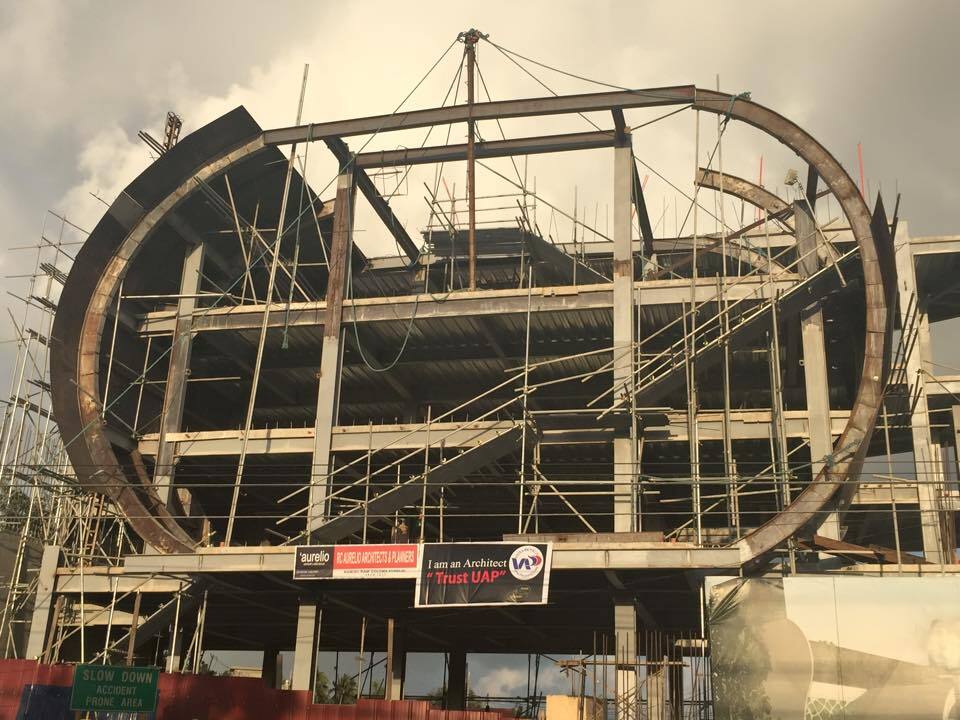
The budget is paramount. The mindset of "tipid" (thriftyness) dictates every decision, often prioritizing immediate cost savings over long-term value. This leads to meticulous material sourcing, frequent value engineering, and sometimes, the use of alternative local materials. The goal is to achieve structural integrity while minimizing cash outflow, making financial pragmatism the non-negotiable foundation of any project.
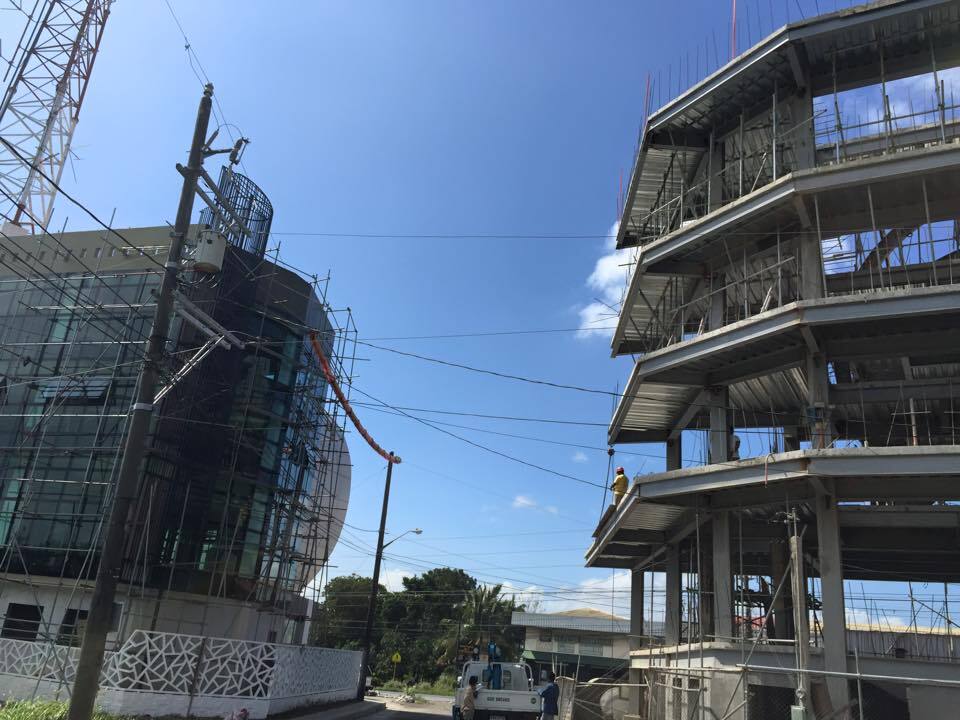
The strength of a project often hinges on "pakikisama" (smooth interpersonal relationships). Harmony on-site is considered as crucial as the building's blueprint. This means avoiding direct confrontation, prioritizing collective morale, and often accommodating last-minute requests from a "suki" (trusted supplier) or a foreman. A cohesive team, even if slightly less efficient, is preferred over a fractured one driven solely by deadlines.
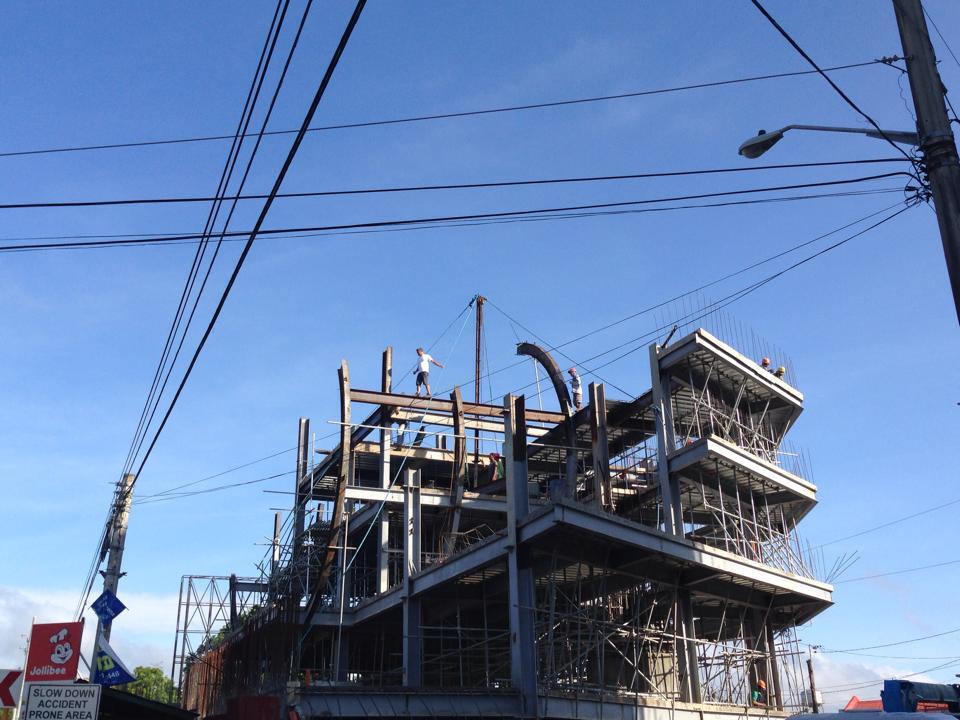
Beyond engineering calculations, there is a deep respect for unseen elements. Many Filipino stakeholders, from workers to owners, will consider spiritual balance. It's not uncommon for projects to hold a "orasyon" (prayer ritual) before breaking ground or to subtly adjust layouts for "feng shui"-like principles. This cultural layer acknowledges that a building's success isn't just physical but also metaphysical.
The Philippine construction scene is a tale of two realities. Domestically, a "pwede na" mentality often prevails, where speed and cost can sometimes compromise formal processes. In stark contrast, foreign-funded infrastructure projects operate under a different rhythm, governed by stringent international standards for procurement, risk management, and quality assurance. This divide is being narrowed by technology. The widespread adoption of Building Information Modeling (BIM), drone surveying, and collaborative project management software is revolutionizing workflows. For the Filipino engineer and contractor, these tools are no longer just gadgets; they are essential for achieving the precision and transparency demanded by modern projects. Bridging the gap further is the gradual introduction of FIDIC contracts. While local contracts can be ambiguous, FIDIC provides a neutral, comprehensive rulebook for complex projects. It’s a hard sell, challenging entrenched practices, but its adoption is becoming a quiet benchmark for professionalism, aiming to align local execution with global expectations.
Projects
clients
architects & Engineers
Partners
Our architectural services transform your vision into ethically sound and buildable designs. We navigate the full permit process, ensuring strict compliance with the National Building Code and local zoning laws. From concept to completion, we provide responsible design leadership that prioritizes safety, functionality, and aesthetic excellence, turning your aspirations into legally compliant and inspiring spaces.
We provide end-to-end construction support, bridging the gap between design and physical reality. Our team offers practical oversight, from pre-construction planning to on-site coordination, ensuring your project is built to specification, on schedule, and within budget. We help you manage the complexities of the build, mitigating risks and maintaining quality from ground-breaking to turnover.
Our arbitration and dispute avoidance services protect your project's timeline and budget. We specialize in writing, reviewing, and managing contracts under internationally recognized frameworks like FIDIC. By establishing clear terms and procedures from the start, we help parties navigate disagreements constructively, aiming to resolve conflicts efficiently and avoid costly, protracted disputes.
We deliver clear-eyed project evaluation at critical stages. Our pre-construction assessments identify potential risks and value-engineering opportunities, while our post-construction analyses measure outcomes against objectives. This disciplined review process provides the insights you need to make informed decisions, optimize future projects, and ensure every investment delivers its intended return.
We ensure your contractual foundation is unshakeable. Our service includes the meticulous preparation of all necessary contract attachments, from detailed technical specifications and bills of quantities to clear construction methodologies. This comprehensive documentation leaves no room for ambiguity, setting the stage for a smooth, well-defined, and dispute-free project execution.
Our FIDIC-DB service installs a standing Dispute Board as a proactive project safeguard. This impartial panel provides ongoing oversight and informal guidance, addressing potential conflicts in real-time before they escalate. This proactive approach preserves working relationships, protects your project’s financial health, and ensures construction continues uninterrupted, turning potential disputes into managed conversations.
Aurelio challenges the demanding realm of construction. At 54 years old, he maintains both mental acuity and physical well-being, equipping him to tackle the rigors of this dynamic industry. He possesses a command of communication, adeptly interpreting both verbal and written instructions on the job site, which enhances his effectiveness in managing complex tasks and collaborating with his team. His experience and resilience make him a valuable asset in navigating the challenges inherent in construction projects.
In 2011, Mr. Aurelio started to join the schooling in CIAC, and eventually accredited as a Construction Arbitrator by the Construction Industry Arbitration Commission (CIAC). A year later, he was also accredited as a Mediator by the CIAC, further expanding his skills in alternative dispute resolution. To date, Arch. Aurelio has been appointed in a total of 26- arbitration cases, as follows:
• Total number of arbitration cases wherein s/he is appointed as the Third Member and Chairman of the Tribunal: Four (4)
• Total number of arbitration cases wherein s/he is appointed as a Member of the Arbitral Tribunal: Twenty Two (22)
Mr. Aurelio’s dedication to continuous learning led him to pursue further education through the International Training in FIDIC Academy. In 2020, he completed the Practical use of FIDIC conditions of contracts on 1999 Red and Yellow Books, conducted by FIDIC, Zurich, Switzerland. The following year, he attended the training on Practical Use of FIDIC Conditions of Contracts 1999 and MDB Harmonised Edition 2010, Organized by FIDIC and the Philippine Institute of Construction Arbitrators and Mediators (PICAM) exclusively for accredited arbitrators and mediators of the Construction Industry Arbitration Commission (CIAC). And also training on, Claims and Disputes Resolution under the FIDIC Contracts 1999 and MDB Harmonised Edition 2010Online in house workshop organized by FIDIC and PICAM exclusively for accredited arbitrators and mediators of CIAC, he also participated in the International Procurement Conference 2021 organized by the, ISM-India, PPPAI, World Bank, ADB, UNOPS, and AIIB.
Mr. Aurelio’s academic achievements include earning a Bachelor of Science degree in Architecture. Later, he pursued a Bachelor of Science degree in Civil Engineering. He is currently enrolled and at his final year in the Juris Doctor Program/ Bachelor of Laws, successfully completed the equivalency of a Master of Legal Studies.
In 2003, Mr. Aurelio founded RC Aurelio Architects & Engineers, where he serves as the Principal working in Design and Build from residential, commercial projects, warehouses, Gasoline station, Health Institution, as well as religious and educational institutions. He has also served as a Partner at International Consultancy Firm, handling Architectural Consultancies. Furthermore, he is also attached with Two (2) Tripple “A” Construction Company Firm.
Throughout his career, Ram has participated in numerous conciliations and hearings related to design and construction private and government projects. He has also been invited to speak as a Construction Arbitration Speaker at various events of the United Architects of the Philippines, sharing his knowledge and experiences. An active member of professional organizations, Mr. Aurelio served as Chairman of the United Architects of the Philippines- Construction Disputes and Arbitration Committee from 2016 to 2018.
Mr. Aurelio skills as a speaker have been given opportunities for both domestic and international by institutions such as the Philippine Institute of Construction Arbitrators and Mediators (PICAM), United Architects of the Philippines (UAP), Philippine Institute of Civil Engineers (PICE), Construction Manpower Development foundation (CMDF). He has delivered presentations on "Construction Arbitration" at AMO Orientation Seminars and the Philippine Institute of Architects (PIA), Society of Philippine electrotechnical Constructors and Suppliers, Inc. (SPECS), among others. He has also conducted seminars and workshops on various topics related to construction contracts and management through the United Architects of the Philippines chapters.
His expertise as an arbitrator is evidenced by his Thirteen (13) years of experience as a member of the Arbitral Tribunal of construction disputes with the CIAC. Throughout his career, he has arbitrated 20 plus- cases, dealing with issues such as:
• Construction contract disputes • Defective or non-compliant work• Construction claims and variations • Performance and termination issues • Payment disputes • Insurance and bonding disputes• Professional negligence and liability. Excluding disputes from Adhoc-Mediation and Conciliation process with our colleagues in Architecture.
Mr. Aurelio has also served as an expert witness in cases both RTC and MTCC involving delays and overpayments in construction projects. His testimony has been pivotal in resolving disputes and ensuring fair outcomes in legal proceedings. In 2018, he was honored with the Media Excellence in Architecture award during the 2nd NCST Dangal ng Bayan Awards for his Television show "Masterbuilders - The Construction Show" on GMA Newstv. Additionally, his concept was chosen as the winner in the Centennial Decor and Design for a private building by the Philippine Centennial Commission in 1998.
MasterBuilders was a national television program aired on GMA NewsTV in 2018, bringing to light the pressing issues in construction and the evolving trends in architecture. It showcased the masterpieces of architects and engineers, while also exploring the role of arbitration in resolving disputes within the industry. The show revealed how vision and discipline combine to shape communities, highlighting both the triumphs and challenges of building in a modern era.
It carried stories of innovation, resilience, and the pursuit of excellence. Each episode captured the artistry of design and the precision of engineering, reminding audiences that progress is not only about structures but also about fairness and accountability. The program stood as a testament to the builders of the nation, offering inspiration and insight into the world of construction.
Distinctive themes carried through MasterBuilders
• Innovation in architecture and construction trends
• Arbitration as a cornerstone of industry fairness
• The enduring masterpieces of architects and engineers
• The vision and discipline that shape the nation’s future
• MasterBuilders, a legacy of creativity and responsibility
"The Bridge We Build" (A song of Construction Arbitrators and Mediators)- rca
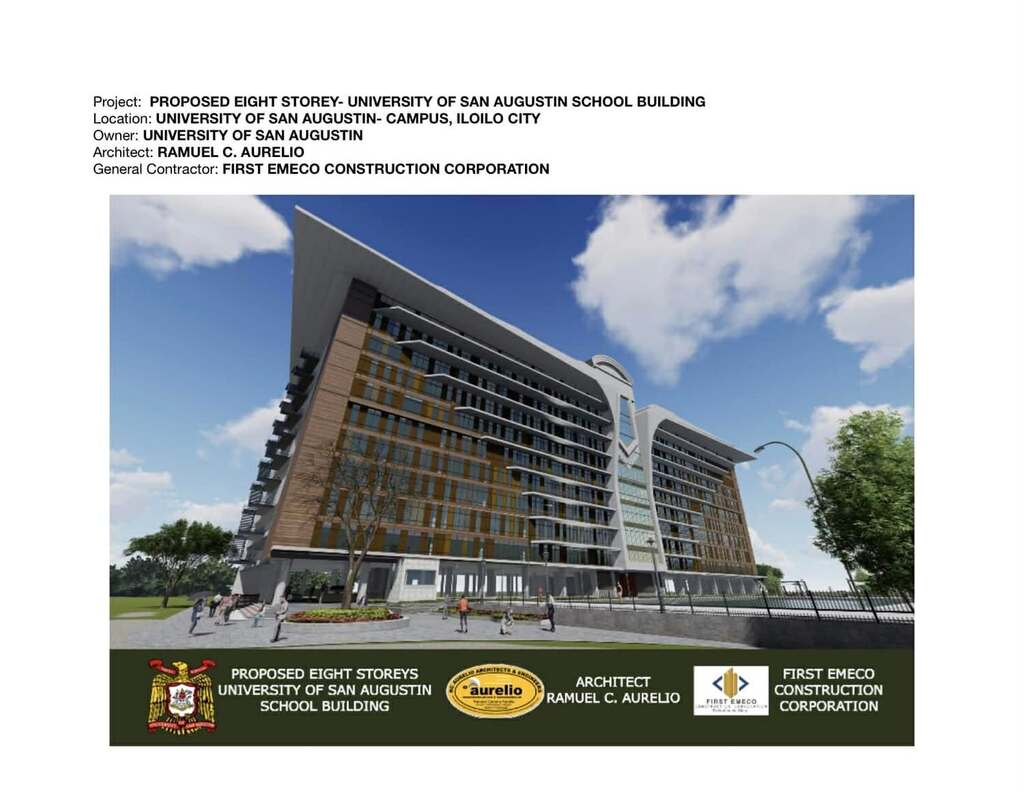
PROJECT 1
The Eight Storey building at the University of San Augustin stands as a remarkable testament to the institution's rich heritage and commitment to modern education. Inspired by the university's emblem, the majestic eagle, the building's design concept encapsulates the spirit of progress and soaring aspirations. With its slender shape, symmetrical structure, and unique architectural elements, the building offers a conducive environment for learning, fostering innovation, and promoting academic excellence. This description will delve into the various features and facilities that make the Eight Storeys building an exceptional addition to the university campus.
Exterior Design
The exterior design of the Eight Storeys building showcases a harmonious blend of contemporary aesthetics and symbolism.
Drawing inspiration from the eagle's takeoff, the architects meticulously crafted a slender façade that gracefully stretches towards the sky. This design element not only evokes a sense of upward movement but also creates a striking visual impact. The front of each floor features elegantly designed eaves, reminiscent of the majestic wings of an eagle in flight. These eaves not only serve as an architectural embellishment but also act as functional sunshades, providing shade and reducing glare. The pylons integrated into the design further reinforce the symbolism of the wings, enhancing the building's overall visual appeal.
PROJECT 2
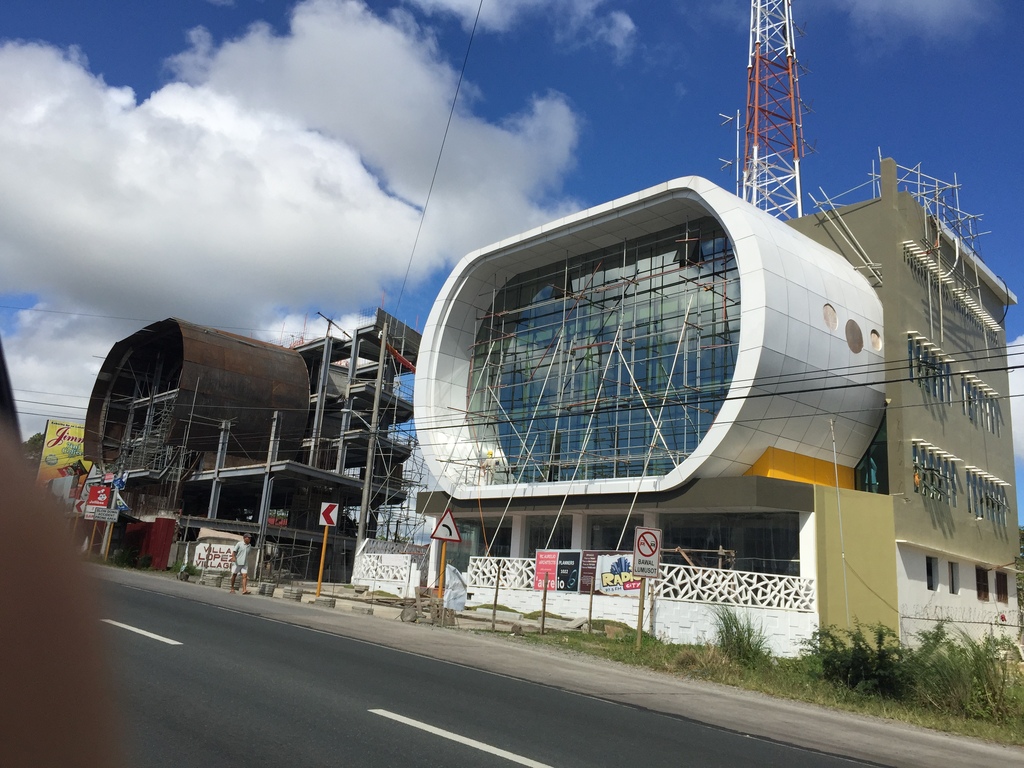
Rising from the misty foothills of Mt. Banahaw, the OJEDA commonly known as DCG- Twin Towers are conceived as a unified landmark, their form a direct expression of their namesake. The iconic letter "O" inspires the structures' circular floorplates, crafted from a robust synergy of concrete and steel. These twin cylinders house state-of-the-art broadcasting facilities, their antennae reaching skyward as beacons of communication.
Philosophy
The project’s circular philosophy extends beyond mere geometry into a cycle of sustainable performance. Harnessing the region’s naturally cool climate, the design prioritizes passive ventilation, significantly reducing mechanical cooling demands. The crown of the second tower completes this vision with a revolving restaurant, offering panoramic views of the sacred mountain, a dynamic experience that literally rotates in harmony with its environment, merging architectural spectacle with ecological sensitivity.
PROJECT 3
Farm Village
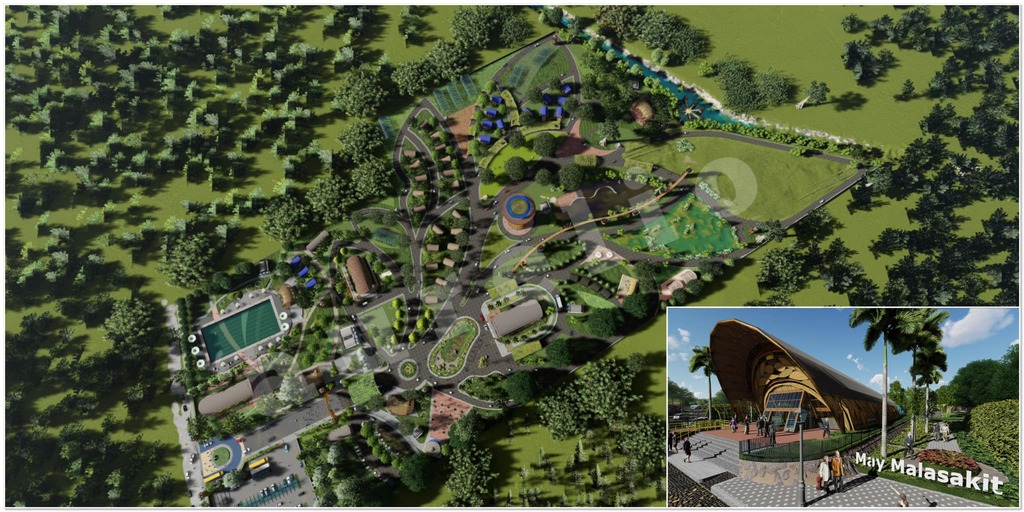
Nestled within Brgy. Manacnac, Palayan City, this 9-hectare Provincial Farm Village is conceived as a living tapestry of Filipino heritage and progress. It will be a dynamic ground where traditional skills and agricultural innovation intersect. The village will host cultural workshops, from weaving to pottery, alongside active demonstrations of sustainable farming techniques and agri-enterprises, providing both education and livelihood. Its heart will be a convention space designed to energize local festivals and gatherings, transforming the site into a perennial celebration of community, culture, and the bounty of the land.





Your message will be received directly by our team for proper review and evaluation. We make sure that every inquiry is treated with attention, confidentiality, and professional care. Whether your project is in the planning stage, under construction, or already completed, we are ready to provide clear guidance, technical insight, and practical solutions.
We believe every project deserves a timely and well-informed response. Let us know how we can assist you today, and we will get in touch with you at the soonest possible time